Tips for Visiting the Louvre Museum Without Long Queues
Planning a visit to the Louvre Museum involves more than deciding which galleries to explore. With millions of visitors each year, managing time at the entrance often becomes the first challenge. The museum houses thousands of artworks, including the Mona Lisa, and its sheer scale can be overwhelming without some preparation. Understanding how to approach the ticketing process and the flow of visitors can make a noticeable difference in how the experience unfolds.
Many travelers assume that arriving early is the only way to avoid delays. While timing matters, other factors such as advance ticket booking and choosing the right entry point play an equally important role. The museum offers several access options, and each has its own characteristics. By considering these elements ahead of time, visitors can reduce waiting periods and spend more time engaging with the collections.
This article outlines practical approaches to navigating the entry process at the Louvre. The focus is on methods that can help visitors move through the initial stages more smoothly. These suggestions are based on common patterns observed in museum operations and visitor behavior, but individual experiences may vary depending on season, events, and other variables.
Understanding Entry Points and Access Options
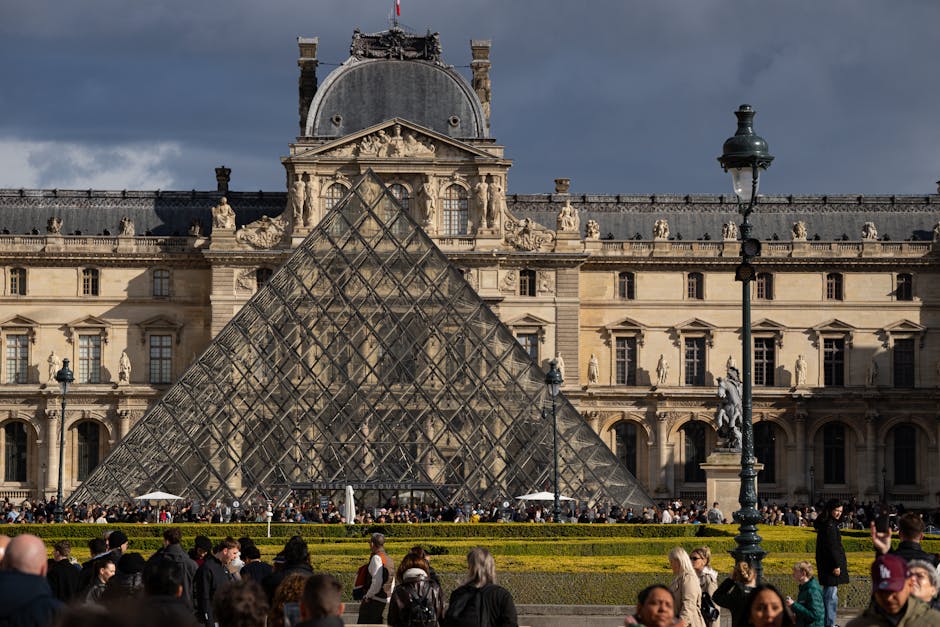
The Louvre has multiple entrances, and not all of them experience the same level of congestion. The main entrance through the Pyramid is the most recognizable, but it also tends to have the longest lines during peak hours. Alternatives include the Carrousel du Louvre entrance, which is accessible from the shopping mall, and the Porte des Lions entrance, which is often quieter but has limited opening hours. Each entrance connects to different parts of the museum, so selecting one that aligns with the visitor’s intended route can reduce walking time as well.
For those holding a ticket with a reserved time slot, entering through the Pyramid remains a viable option because the queue for pre-booked visitors moves faster than the line for ticket purchases. However, the Carrousel entrance is frequently recommended for its shorter waiting times, especially during mid-morning or early afternoon. The Porte des Lions entrance is less known and can be a good choice for visitors who plan to start their tour from the Richelieu wing, but it is closed on certain days and during specific periods.
Understanding which entrance is open on the day of the visit is essential. The museum’s official website provides current information about entrance availability and any temporary changes. Checking this before heading out can prevent unnecessary detours. Additionally, visitors staying in central Paris may find that the Carrousel entrance is conveniently linked to the Palais Royal–Musée du Louvre metro station, providing direct access without stepping outside.
The Role of Advance Ticket Booking
Securing tickets in advance is one of the most effective ways to streamline entry. The Louvre operates a timed-entry system that allows visitors to select a specific date and time slot. Purchasing a ticket online through the official site or authorized resellers ensures that an entry window is reserved. This does not eliminate queues entirely, but it places the visitor in a separate line that moves more quickly than the one for on-site ticket purchases.
Wander Compass often highlights the importance of booking early for popular museums, and the Louvre is a clear example. Slots for peak months and weekends can sell out weeks ahead. Planning ahead not only secures the desired time but also reduces uncertainty on the day of the visit. Visitors who book in advance receive a QR code that can be scanned directly at the entrance turnstiles, further expediting the process.
It is worth noting that last-minute bookings are sometimes possible, but availability tends to be limited. For those who decide to visit without a reservation, the museum offers a limited number of same-day tickets at the ticket office. However, this approach generally involves longer waiting times, especially during busy periods. Combining advance booking with an early or late time slot can further improve the flow, as the entrance areas are often less crowded right after opening or in the late afternoon.
Choosing the Right Time for Your Visit
Timing a visit to the Louvre involves more than just picking a day. The museum tends to be quieter on Wednesdays and Fridays, when it remains open until 9:45 PM, allowing for evening visits. Late afternoons and early evenings can be an excellent opportunity to explore the galleries with fewer people. Conversely, Tuesday and Sunday afternoons are typically busier, as many local visitors choose those days.
Seasonal variations also play a role. Summer months attract large crowds, but off-peak seasons such as late autumn or early spring offer a more relaxed atmosphere. Holiday periods and special exhibitions can increase visitor numbers regardless of the season. Checking the museum’s calendar for planned closures or special events can help in selecting a less congested day.
Another factor to consider is the museum’s entry policy for those with a Paris Museum Pass. Holders of this pass have access to a dedicated line at certain entrances, which can reduce waiting times. However, the pass does not guarantee immediate entry if the museum reaches its capacity. Combining the pass with a timed reservation is recommended for a smoother experience. The number of visitors allowed inside the Louvre at any given moment is regulated, so even with a pass, arrival time matters.
Practical Tips for a Comfortable Visit
Once inside, moving efficiently between wings can prevent unnecessary bottlenecks. The Louvre is vast, and many visitors spend a significant amount of time walking between sections. Using the museum’s floor plans and focusing on specific galleries rather than trying to see everything in one visit can reduce fatigue. The most popular works, such as the Mona Lisa, are located in the Denon wing, which tends to draw the largest crowds. Visiting this area early in the day or during the late afternoon may result in a more comfortable viewing experience.
Security screening is a mandatory step before entering. Reducing the number of items carried can speed up this process. Backpacks and large bags require checking, which adds time. Traveling light and using a small crossbody bag or a tote can help move through security more quickly. Lockers are available for a fee, but accessing them takes additional time.
For those interested in guided tours, booking a small group tour offered by Wander Compass or similar providers can include dedicated entry arrangements. These tours often include reserved time slots and a curated itinerary, which can help visitors navigate the museum efficiently. However, even without a guide, having a clear plan of which sections to visit first can reduce the time spent wandering.
Staying hydrated and wearing comfortable shoes are practical considerations that contribute to a better overall experience. The museum has several cafes and rest areas, but breaks should be planned to avoid losing momentum during peak crowding periods. Keeping an eye on the museum’s live information screens, which display current queue lengths and gallery occupancy, can also help in making real-time decisions.
Ultimately, each visit to the Louvre presents a unique set of circumstances. Factors such as weather, local events, and renovation projects can influence crowd patterns. Being flexible and prepared with multiple possible entry strategies allows visitors to adapt to conditions on the ground. The goal is not to eliminate waiting entirely, but to minimize its impact so that the time spent inside the museum can be as enriching as possible.